Phase One Intervention

Early intervention serves as a preventative measure to guide developing jaws into their proper alignment. By addressing skeletal issues during childhood, we can often avoid the need for invasive surgical corrections in adulthood. Our practice focuses on developmental health for families throughout the Shawnee Mission area.

Many parents are surprised to learn that orthodontic care can begin while a child still has several baby teeth. This initial stage, known as Phase One Intervention, targets structural concerns like narrow arches or protruding teeth. We closely monitor Maxillary Expansion to ensure there is enough room for the adult teeth to emerge without severe crowding. Utilizing these early windows of opportunity allows Dr. Bulleigh to influence jaw growth.

Guiding a child’s growth today creates a much smoother path toward a healthy smile tomorrow.

Avoiding Future Surgical Corrections

When jaw growth is left unmonitored, severe misalignments can develop that require Orthognathic Coordination to fix. By intervening early, we can use functional appliances to encourage proper Mandibular Advancement or expansion. This proactive care near the I-435 interchange ensures that the foundation of the smile is correctly positioned from the start.

Does My Child Still Need Braces Later If They Do Phase One?

Most children who undergo early intervention will still need a shorter period of braces as teenagers to fine-tune the position of individual teeth. However, the overall process is usually much simpler and faster because the major structural work is already done.

Will Phase One treatment Affect My Child’s Speech?

There might be a brief adjustment period of a few days as your child gets used to their new appliance. We find that kids are incredibly resilient and usually return to their normal speech patterns very quickly.

Schedule Your Phase One Consultation in Overland Park

Protect your child’s long-term dental health with a screening at our West 95th Street office. We look forward to helping your family achieve spectacular results.

Accelerated Tooth Movement via Low-Friction Damon Brackets

Modern orthodontic technology enables faster results and greater comfort through specialized hardware designs. By implementing low-friction bracket systems, we move teeth with biological efficiency and minimal resistance. This advanced approach serves busy professionals and students near the West 95th Street corridor who value time-saving clinical solutions.

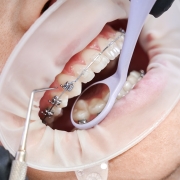
Traditional orthodontic methods often rely on elastic ties that create significant friction, which can slow tooth alignment. Our practice utilizes the Damon System Braces, which feature a unique slide mechanism to hold the archwire in place. This technology uses shape-memory wires to apply light, continuous forces that guide teeth into their ideal positions more rapidly. Because these brackets are self-ligating, they require fewer manual adjustments and offer a more hygienic experience for patients.

Observing the fluid movement of teeth under low-friction mechanics reveals the impressive capabilities of modern biomechanical engineering.

The Science of Low-Friction Mechanics

The biological response of the Alveolar Bone is optimized when orthodontic forces remain within a specific therapeutic range. By reducing the binding and friction found in older bracket styles, the Damon System allows teeth to slide freely along the wire. This efficiency often results in shorter overall treatment times and fewer office visits at our Oak Park Mall location.

Common Questions About Damon Brackets

Are these braces more comfortable than traditional metal ones?

Yes, the absence of tight elastics means there is less pressure and friction against the sensitive tissues of the mouth. Most patients report a significantly more comfortable experience throughout their treatment journey.

Will I need to visit the office less often?

Because the slide mechanism operates continuously without requiring frequent tie replacements, we can often schedule appointments further apart. This makes it an ideal choice for high-activity lifestyles in Johnson County.

Schedule Your Accelerated Consultation in Overland Park

Experience the efficiency of advanced bracket technology at our West 95th Street location. Request an appointment with Dr. Bulleigh to see if low-friction braces are right for you.

Ceramic Braces Offer Aesthetic Orthodontic Solutions

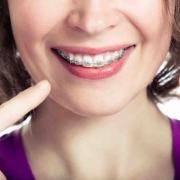
Ceramic braces function identically to traditional metal braces but utilize translucent or tooth-colored brackets to blend in with the natural enamel. This “aesthetic” option is ideal for patients who require the high-torque precision of fixed appliances but desire a more discreet appearance. Ceramic brackets are highly resistant to staining and provide a smooth, comfortable surface for the lips and cheeks.

While Invisalign is popular for its removability, some complex orthodontic corrections are best managed with the continuous force of fixed brackets. For our patients in Overland Park South, ceramic braces provide the “best of both worlds.” The brackets are made of a durable polycrystalline material that mimics the light-reflecting properties of teeth, making them far less noticeable than stainless steel alternatives.

Dr. Bulleigh and the clinical team often pair these ceramic brackets with tooth-colored archwires to further minimize the visibility of the appliance. This is a common choice for student-athletes and professionals who want the structural benefits of braces without the “metallic” look. Because the ceramic material is non-porous, it remains bright and clear throughout the treatment process as long as proper hygiene is maintained.

At our Metcalf Avenue office, we ensure that every set of braces is customized to the patient’s unique facial symmetry. We focus on the mechanical efficiency of the brackets to move teeth into their healthy positions as quickly as possible.

Braces Vs. Aligners – When the Traditional Route Makes Sense

There is a strong appeal for the use of clear aligners. However, sometimes, traditional braces make more sense. How can you know if you are someone who needs traditional braces instead of aligners? The best way to know is to talk to your orthodontist in Overland Park or Shawnee, KS. However, here are some signs that you may want to consider traditional braces.

1. You Have Complex Issues

Complex orthodontic issues almost always require braces instead of aligners. You need the structure that braces provide. Some examples of these complex issues include:

  • Severe crowding
  • Serious malocclusions (bite issues)
  • Rotated teeth

Traditional braces provide a more consistent force on the teeth, and this, in turn, makes it easier to fix these things.

2. You Need Additional Appliances

While there are many types of appliances you can do with aligners, sometimes it’s easier to connect aligners to traditional braces. If you need extensive additional appliances, such as expanders or Herbst appliances, you may find it easier to work with conventional braces.

3. You Struggle to Stay Consistent

If you (or your child) struggles to maintain consistent oral hygiene, you may have trouble sticking to the aligner schedule. Aligners only work if you stick to the schedule and wear them for at least 22 hours a day.

4. Your Insurance Decides For You

Sometimes, your orthodontic insurance may state which type of treatment it covers. In that case, you’ll want to decide what’s the most affordable option.

At the end of the day, the decision between braces and aligners is best made between you, as the patient, and your orthodontist in Overland Park or Shawnee, KS. If you’re still questioning what’s best, reach out to the team at Bulleigh Orthodontics to discuss your treatment options.

Braces with Baby Teeth? Yes, Sometimes!

For many of today’s adults, braces were a rite of passage once they had most of their adult teeth. Yet there are many times when today’s kids actually get braces earlier. Early braces treatment has excellent benefits for certain orthodontic conditions. If you’re worried about your child’s teeth falling out and coming in during treatment, rest assured that your orthodontist in Shawnee or Overland Park, KS, can work around this common issue. Here are some times when braces on baby teeth make sense.

Crowding Issues

Many children have palettes that are too small for their adult teeth. Crowding can cause the adult teeth to come in at strange, unnatural angles. At Bulleigh Orthodontics, we use early orthodontic treatment to make enough room for those adult teeth in children whose mouths are particularly small. Sometimes, this early treatment can prevent the need for orthodontics later in life.

Serious Bite Issues

Extreme under- or overbites can lead to problems with your child’s jaw development. While sometimes these issues can wait, other times they need to be addressed early. This condition is a situation that your orthodontist in Shawnee or Overland Park, KS, needs to look more closely at in order to determine the right timing for treatment.

Prevent Orthodontic Issues from Thumb Sucking

Sometimes thumb and finger sucking causes bite issues that can impact the adult teeth. One of the benefits of early orthodontics is the ease with which the child can break this habit. Not only can you correct the alignment issues the habit caused, but the habit is also easier to break with orthodontic appliances in the mouth.

Is our child a candidate for early braces? The best way to tell is to visit the orthodontist. Make an appointment with Bulleigh Orthodontics to have your child’s bite and teeth evaluated.


How to Prevent Stains with Braces

When you have braces, getting stains on your teeth is particularly problematic. The brackets will prevent the stain from touching a small portion of each tooth, leaving you with splotchy teeth when the brackets come off. Because of this, you should be even more diligent to avoid stains when you have braces. Here are some tips from Bulleigh Orthodontics, your orthodontist in Shawnee or Overland Park, KS.

1. Hone in on Hygiene

First, make hygiene a top priority. You need to brush after every meal, floss daily, and use products with toothpaste. If you can’t brush after a meal, such as when you’re at school or work, rinse carefully. Keeping food particles off of your teeth is essential as you work to protect against stains.

2. Use Interdental Brushes

Interdental brushes are small brushes that fit into tight spaces in your mouth. You can use these to clean around the brackets, which are areas where the toothbrush may not reach. Use these regularly to keep buildup from occurring.

3. Choose Foods Carefully

Choose foods that aren’t known for staining teeth. For instance, dark teas and sodas or red wines can cause staining. Coffee can also be problematic. Avoiding these or ensuring that you brush quickly after eating them will help you reduce the risk of stains.

4. Have Professional Cleanings

Finally, make sure you have your teeth professionally cleaned every six months. These appointments are in addition to your visits to your orthodontist in Shawnee or Overland Park, KS. The professional cleanings are one of the best ways to reduce stains.

Keeping your teeth clean is vital to your orthodontic treatment. For more tips and tricks, reach out to Bulleigh Orthodontics.

Will Insurance Pay for Braces If I Have a Medical Reason?

Getting braces can be a huge step for adults and teens alike. Not only is it a great way to brighten your smile, it can also make it easier to care for your teeth as you age.

Of course, some people may avoid braces because of their high-ticket cost — even if they may have more financial resources than they realize thanks to their insurance coverage. If you’re wondering what kind of assistance you’ll find for orthodontic work and whether it will cover the costs for a medical condition, we’ll look at the details below.

Does Insurance Cover Braces?

All dental insurance plans vary, not just by carrier but by policy type and location. In general, if you have coverage for orthodontic work, it’s up to a certain limit (e.g., $2,500 for the lifetime of the policy). However, even if you don’t have coverage for braces, you may still be able to file a claim through your health insurance. If your orthodontist in Shawnee, KS determines that you need braces to fix a medical necessity, you may be eligible under your current coverage.

What Counts as a Medical Necessity?

Medical necessity is something of a grey area, but it usually comes down to severity. For example, if you have extreme abnormalities, such as a life-impacting underbite that affects your ability to chew or speak. Or if you’re experiencing severe pain due to misaligned jaw or breathing obstructions while you sleep.

Find an Orthodontist in Shawnee

Braces in Shawnee, KS can solve a wide range of issues, especially if you have more severe developmental concerns. At Bulleigh Orthodontics, our team can help you learn more about your payment options, so that you can make the decision based on health and not budget.

3 Reasons You Might Choose Braces Over Invisalign

If you’re looking to fix a misalignment, whether it’s your teeth or jaw, you may wonder why you would choose braces over Invisalign. After all, Invisalign is not only more convenient, it’s also virtually invisible. However, there’s more to these treatments than meets the eye. Here, we’ll look at when you might choose braces, and how an orthodontist in Shawnee, KS can help you make the right decision.

1. Your Misalignment Is Severe

The more your jaw or teeth are out of order, the less likely it is that Invisalign will work. Braces are still available to patients because they’re more forceful than clear aligners, which were designed for milder cases.

2. Faster Treatments

Braces in Shawnee, KS can sometimes work faster because they apply more pressure to your teeth. This makes them more suitable if you need to make bigger movements to correct the alignments.

3. They’re a Permanent Solution

Invisalign is one of the most convenient ways to give a patient the smile of their dreams, but that doesn’t mean that orthodontists don’t see compliance issues. Invisalign needs to be worn, ideally, around 22 hours a day, and not everyone remembers to pop the trays back in after each and every time they eat, brush their teeth, etc. Braces may come with their own headaches, especially if you love things like gum or popcorn, but at least the patient doesn’t have to remember to put them back on.

At Bulleigh Orthodontics, our team is adept at knowing when to recommend one treatment over another, taking into account everything from the patient’s lifestyle to their expectations. If you want to learn more about what’s right for you (or your child), now is a good time to schedule a consultation.

What Options Are Available for Discreet Orthodontic Treatment?

Have you been told you need orthodontic treatment for crooked teeth or a misalignment? If you’re not happy with the thought of wearing metal braces, there are more discreet options available. Our orthodontists in Overland Park and Shawnee, KS, offer these solutions to patients who prefer a more subtle yet effective treatment.

Ceramic Braces

Metal braces are easy to spot, with their brackets and wires. While they’re common, they’re not the only option for braces. Ceramic braces are tooth-colored, making brackets and other parts much more difficult for other people to notice. They may be a good solution if you have mild orthodontic issues.

Clear Aligners

These clear, plastic aligners are a great alternative to metal braces if you have moderate or mild problems. They’re custom trays that you wear most of the day, allowing them to shift your teeth to make them straighter or correct their alignment.

Lingual Braces

For discreet orthodontic treatment in Shawnee and Overland Park, KS, you may want to consider lingual braces. These are braces that we attach to the back of your teeth, keeping them from showing when you talk or smile. Note that they tend to cost more than metal braces.

Which Treatment Is Right for You?

The best solution for you depends on the type of orthodontic issues you need to treat and how severe they are. You’ll need to consider other factors, too, like comfort and budget.

Visit Us for Orthodontic Treatment!

Do you have orthodontic issues that you’re hoping to correct? Our team at Bulleigh Orthodontics offers different types of orthodontic treatments in Overland Park and Shawnee, KS, including subtle options that are less visible than traditional braces.

Are Some Teeth Impossible to Straighten?

When it comes to teeth and jaw misalignments, orthodontics in North Overland Park, KS can work miracles on nearly anyone. But that might not stop you from wondering if there are some cases that are lost causes. Here, we’ll look at the worst-case scenarios and how the right orthodontist will still be able to help.

Why Braces Work

Braces were developed specifically to fix extreme issues that might occur in the mouth and jaw: crowded teeth, bite misalignments, and much more. They have long proved to be an effective way to coax stubborn teeth and jaws into the right positions, and their track record has only improved over time.

Braces in North Overland Park, KS are a somewhat extreme solution, which is just part of the reason why clear aligners were so well-received — because they created a middle ground between ignoring the problem and wearing braces.

Can Braces Fix All Misalignments?

There are a select few cases where braces either might not work or might not be as effective as the patient hopes for. For example, a Class III malocclusion is one of the most severe types of misalignments, and may require the orthodontist to first pull a tooth before they can recommend any other treatments. The most stubborn cases are typically adults, as it’s easier for orthodontists to manipulate the mouth when their patients are younger.

Taking Action Today

Misaligned teeth are more than just a cosmetic issue. They can prevent you from cleaning your teeth properly and ultimately lead to ongoing pain and discomfort. At Bulleigh Orthodontics, we can walk you through your options, including whether braces are a good fit for you or a loved one.