
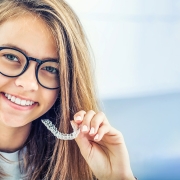
Will Insurance Pay for Braces If I Have a Medical Reason?

Getting braces can be a huge step for adults and teens alike. Not only is it a great way to brighten your smile, it can also make it easier to care for your teeth as you age.

Of course, some people may avoid braces because of their high-ticket cost — even if they may have more financial resources than they realize thanks to their insurance coverage. If you’re wondering what kind of assistance you’ll find for orthodontic work and whether it will cover the costs for a medical condition, we’ll look at the details below.

Does Insurance Cover Braces?

All dental insurance plans vary, not just by carrier but by policy type and location. In general, if you have coverage for orthodontic work, it’s up to a certain limit (e.g., $2,500 for the lifetime of the policy). However, even if you don’t have coverage for braces, you may still be able to file a claim through your health insurance. If your orthodontist in Shawnee, KS determines that you need braces to fix a medical necessity, you may be eligible under your current coverage.

What Counts as a Medical Necessity?

Medical necessity is something of a grey area, but it usually comes down to severity. For example, if you have extreme abnormalities, such as a life-impacting underbite that affects your ability to chew or speak. Or if you’re experiencing severe pain due to misaligned jaw or breathing obstructions while you sleep.

Find an Orthodontist in Shawnee

Braces in Shawnee, KS can solve a wide range of issues, especially if you have more severe developmental concerns. At Bulleigh Orthodontics, our team can help you learn more about your payment options, so that you can make the decision based on health and not budget.

When Can Early Orthodontic Treatment Begin?

Early orthodontic treatment for parents may seem like overkill, especially since their child is going to lose their baby teeth anyway. However, most parents’ ears perk up when they hear that early orthodontic treatment may be able to save them the money (and time) of getting their teen braces. Here, we’ll look at not just what early orthodontic treatment is but when it can start for the best results.

What Is Early Treatment?

Early treatment in North Overland Park, KS largely refers to any practice that can help correct a child’s teeth, gums, and jaw before the issue has a chance to develop. This can mean anything from mouth guards, to help coax the teeth into the ideal position, to exercises that can help children stop unhealthy habits like thumb sucking.

Early treatment attempts to fix problems when they first emerge, as opposed to waiting several years and then installing metal braces or making the molds for clear aligners.

Does Early Treatment Work?

The answer ultimately depends on the child, but at the very least, you’ll know that you did everything you could to mitigate the impact of common issues, like overcrowding or severe underbites. The good news is that, with every passing year, orthodontists all over the country get better at catching problems sooner than later. If you’re wondering if your child is a good candidate, the right orthodontist in North Overland Park, KS can tell you more about their eligibility.

When Should My Child Get Early Orthodontic Treatment?

Early orthodontic treatment can start as early as seven or as late as 10. If you’re looking for the best team in your area, consider that the orthodontists at Bulleigh Orthodontics have plenty of experience treating even the most complex cases.

5 Signs You Might Need to Get Braces 

Is a bite problem affecting your daily life? Or are you tired of having crooked teeth? Braces are a common way to fix these problems. At Bulleigh Orthodontics, our orthodontists in Shawnee and Overland Park, KS, provide different types of braces for kids and adults. We may recommend this treatment if you’re experiencing any of the following signs.

Your Jaw Is Misaligned

Do you have an overbite or underbite? These are problems that can happen when your jaw alignment is off. Braces can help correct this issue.

Chewing Is Uncomfortable

Do your jaw muscles get tired and sore when you chew food? Jaw misalignments can cause this to occur, but braces offer a solution.

You Tend to Bite Your Cheek

Do you accidentally nip the inside of your mouth while chewing, talking, or opening and closing your mouth? This may happen if you have a misaligned jaw.

You Struggle with Certain Words or Letters

Is it hard to pronounce some sounds or words while talking? Braces can help correct bite problems that cause these speaking problems, helping you feel more confident about interacting with other people.

You Have Spaces Between Teeth

Do you have gaps between your teeth? This can happen when you have crooked teeth or when there’s a jaw misalignment issue. Wearing braces helps shift teeth and make them straighter, closing up these gaps.

Set Up a Visit Today for Braces!

Are you ready to fix a bite problem or straighten your teeth? Our orthodontists at Bulleigh Orthodontics offer braces in Shawnee and Overland Park, KS, as a solution for crooked teeth and alignment issues. We offer different kinds of braces to ensure the right results!

How Long Does Invisalign Treatment Take to Straighten Teeth?

Do you have crooked teeth that make smiling in front of others uncomfortable? Rather than hiding your smile, consider Invisalign treatment for straighter teeth. Our orthodontists in Shawnee and Overland Park, KS, at Bulleigh Orthodontics can fit you with custom aligners that shift your teeth gradually. Let’s go over how long this treatment approach may take to work!

Type of Invisalign

The kind you get affects how long it takes to work. Invisalign Go for slight flaws may only take a few months, while traditional Invisalign can take up to 18 months to complete.

Severity of Bite or Tooth Problems

More severe issues take a longer time to fix. Invisalign might only take a few months to a year if you have minor flaws, but severe problems can take up to 18 months to correct.

How Often Aligners Are Worn

Invisalign has to be worn between 20 and 22 hours every day. If you don’t wear them this often, treatment will take a longer time overall.

Aligner Condition

Keeping your aligners in good shape helps ensure that they work effectively. Removing them before eating and keeping them clean are important parts of maintaining them and preventing damage.

New Aligner Sets

Coming in for updated aligner sets as scheduled helps keep treatment progressing. Delaying or skipping these visits leads to longer treatment times. Invisalign involves wearing different sets as your teeth change position.

Visit Our Orthodontists for an Invisalign Consultation!

Are you eager to finally have straight teeth and a smile you’re happy to show off? At Bulleigh Orthodontics, our orthodontic team offers Invisalign in Shawnee and Overland Park, KS, to help you achieve those results in weeks or months!

6 Types of Dental Braces to Correct Misalignments or Crooked Teeth

Are you thinking of choosing braces for your teeth or for your child’s teeth? You might think they only come in one kind — traditional metal braces. But our orthodontists in Shawnee and Overland Park, KS, at Bulleigh Orthodontics offer several types of braces to suit different patients. Here’s a closer look at these various types.

Traditional Metal Braces

These braces include metal brackets and wires to hold them in place. They exert pressure on teeth to cause them to move position.

Clear Plastic Braces

This type isn’t as visible as metal braces. Clear braces are made of clear plastic that’s not as noticeable, making them a great choice for more discreet treatment.

Ceramic Braces

These braces are tooth-colored, allowing them to blend in with your teeth for a natural appearance. They’re designed to treat mild bite problems only since they’re not as durable as other braces.

Lingual Braces

For another nearly invisible type, there are lingual braces. These go on the back of your teeth rather than the front, keeping them hidden from view.

Braces for Early Treatment

Children can start having bite problems corrected when they’re as young as 7 or 8 years old. We may recommend early braces in these situations.

Braces for Adults

If you decide to get braces in your adult years, you have different options to choose from. You may want plastic or ceramic for low visibility, or you might choose metal for correcting more severe issues.

Make an Appointment Today for Braces!

Do you or your child need braces? At Bulleigh Orthodontics, our orthodontists offer different types of braces in Shawnee and Overland Park, KS. We can help you choose the best kind for your teeth or your child’s teeth.

 Is Invisalign the Right Orthodontic Treatment Option for Your Teeth?

Have you been exploring ways to correct crooked teeth? You might have come across Invisalign as an option. At Bulleigh Orthodontics, our orthodontists in Shawnee and Overland Park, KS, provide this treatment if you’re deemed a good candidate. Let’s go over how to know if Invisalign is the most suitable solution for your teeth.

How Severe Is Your Orthodontic Problem?

Do you have a mild or moderate bite issue or crooked teeth? Invisalign can treat these kinds of problems. If you have a more severe issue, though, we may need to discuss other treatment approaches with you, such as braces.

Are You Willing to Wear Aligners Most of the Day?

You’ll need to keep your aligners on your teeth for a minimum of 20 hours a day during treatment. That’s a big commitment, but keep in mind that you can remove them for short periods of time, such as when you’re going to eat or brush your teeth.

How Quickly Do You Want Straighter Teeth?

You can’t rush this type of treatment in general, but Invisalign typically takes a shorter amount of time than braces. It can take a couple of years for braces to straighten teeth, while aligners may work within several months.

Do You Want Fewer Appointments?

Invisalign is a great option when you want to keep the number of orthodontic visits down. You’ll need to see us every so often to get new aligners, but this treatment involves fewer visits overall.

Schedule an Appointment to See if Invisalign Is Right for You!

Wondering if you should go with this treatment for your teeth? Our orthodontists at Bulleigh Orthodontics can help you decide. We offer Invisalign in Shawnee and Overland Park, KS, for patients who are suitable candidates for this orthodontic solution.

The Importance of Retainers in Orthodontic Treatment

The day you get off your braces in Overland Park, KS will be a momentous occasion. Many people look forward to the day they finally get to see the results of their orthodontic treatment and rightly so. It’s nothing short of transformative. But there’s a little bit of a misconception, because actually, the treatment doesn’t end when the braces come off. That much change in the alignment of your teeth doesn’t happen by accident, and the change might not be permanent without the help of retainers. You see, teeth take time to adjust to their new alignment, and retainers keep them in place until everything can be made permanent.

Why Teeth Shift After Treatment

Teeth are held in place by ligaments, which take time to stabilize after orthodontic treatment. Once braces or aligners are removed, these ligaments can slowly pull teeth back toward their previous alignment, especially in the first few months. Retainers help keep teeth in their new positions while the surrounding bone and tissues adjust, ensuring lasting results.

How Long Should You Wear a Retainer?

Initially, retainers should be worn full-time, but over time, many patients can transition to nighttime wear. However, retainers should never be completely abandoned—teeth can shift at any age. Lifelong retainer use, even if only a few nights a week, helps preserve the alignment achieved through orthodontic treatment.

Retainers are the key to keeping your straightened teeth in place for years to come. By following your orthodontist’s recommendations and wearing your retainer consistently, you can ensure that your beautiful smile remains intact and that all the effort put into treatment doesn’t go to waste. Contact your orthodontist in Overland Park, KS today to learn more!

3 Things to Know About Jaw Misalignments

Jaw misalignment is a prevalent condition, but it’s more of a minor inconvenience than a significant problem for most people. Here, we’ll look at a few common facts about it, and why it’s important to stay on top of any major developments.

1. Jaw Misalignment Has Multiple Causes

Jaw misalignment in North O.P. can be caused by trauma, hereditary disorders, or teeth misalignment. The cause of the jaw disorder, whether a horrific fall or a congenital issue, affects how a dentist or orthodontist in North O.P., KS addresses the issue.

2. Symptoms Are Not Always Consistent

For some people, jaw pain shows up clearly as jaw pain. For others, it’s pain between the temples, shoulders, or back. You might hear clicking when you open your mouth or a popping sound in your ears. Whether your jaw is tight or you’re having unexplained headaches, paying attention to any significant changes is essential.

3. You Have Treatment Options

Multiple solutions on the market, from surgery to dental appliances, can help you treat misalignments. Sometimes, you may just need braces to help you shift your bite (usually applicable for children). In others, you may need surgical treatments to even out your jaw. Regardless of what you need to fix the problem, it’s worth the effort to address it sooner than later — before symptoms get worse.

Visiting an Orthodontist in North O.P., KS

If you or your child has a jaw misalignment, it’s worth finding the right team to treat the issue. At Bulleigh Orthodontics, we can help you notice the symptoms, spot the issues, and find the solutions to align your teeth and jaw. Contact us today to learn about the next steps, especially if you’re experiencing any of the above symptoms.